

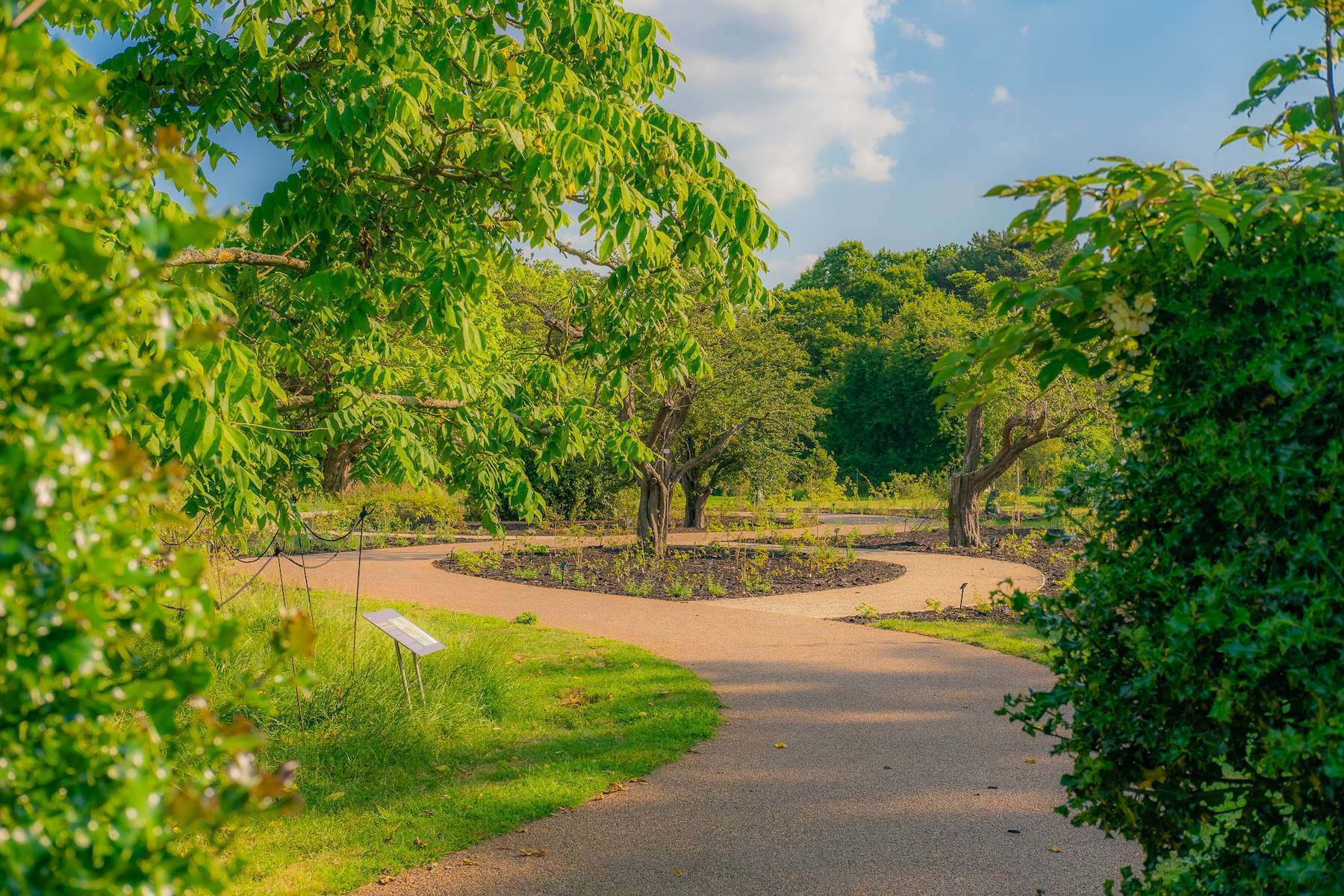
Kew has unveiled a series of new gardens and seasonal wonders for 2025, with a new Wildflower Meadow boosting biodiversity and colour, a new Carbon Garden using plants and fungi to help create a sustainable future, and the Wild Rose Garden flowering for the first time, showcasing one of the best collections in the world.

SPRING
Marking the arrival of Spring, magnolias will flower across the gardens whilst boughs laden with cherry blossom form soft-pink clouds over Cherry Walk and Asano Avenue near the Temperate House. Here, visitors will also discover a treasure trove of naturalised tulips. From late March into April a carpet of bluebells awaits visitors to Queen Charlotte’s Cottage and the Natural Area, soon followed by wildflowers bringing the promise of summer. Rhododendron Dell, originally designed as a Hollow Walk 250 years ago by Capability Brown, bursts into life each May. This secluded area of the Gardens brings an array of colour and scent, whilst the Peony Garden promises ephemeral blowsy blooms, accessed via the rose pergola in the flourishing Agius Evolution Garden.
Late March onwards: Queen Charlotte’s Cottage gardens redesigned
Queen Charlotte’s Cottage was created in 1771 in an area of the Gardens known as ‘the wilderness’. While the folly was used by Queen Charlotte, King George III’s wife, many animals were kept in the cottage paddock, including kangaroos (the first to arrive in England). In 2024, Botanical Horticulturist Sam Stapleton took on the task of transforming the gardens surrounding the cottage, returning them to their former glory. Much of this area will flower for the first time in spring 2025.
Situated at the boundary where Kew’s more formal Gardens transition into the Natural Area, the cottage lends itself to a wilder, more natural design. Stapleton’s considered introduction of native plants and flowers alongside dead wood, fallen branches and other materials sourced from the Gardens has come together to form a mixed woodland-type habitat that champions wildlife. In early 2025, hundreds of daffodils will burst into colour, soon followed by a ‘river’ of bluebells. Foxgloves will flower with the arrival of summer whilst autumn will welcome a flourishing ‘mushroom garden’ created using waste woodchip and other organic material (including pine needles, leaf matter, horse manure and straw).
April: Waterlily House re-opens
To honour the Waterlily House’s173-year history, the team has designed a special display filled with intricate bedding designs, swaying palms and potted ferns inspired by Victorian trends. The largest known species of waterlily in the world, Victoria boliviana, will take centre stage, whilst in a nod to archive designs, plants such as potted Papyrus, Lotus and Chenille will further adorn the space. The jewel-like pink and red tones of Rose Grape and West Indian Jasmine will complement the bright blooms of the aptly named Gold Finger (Juanulloa Mexicana).
Kew is on a mission to transform the iconic Palm House and Waterlily House into the world’s first net zero glasshouses. A team of worldclass experts have been assembled to renovate the historic buildings, using cutting-edge technology in an ambition to make them carbon neutral. This project will take place in the coming years.
May: New wildflower meadow
A new wildflower meadow planted beneath the Treetop Walkway will bloom into a swathe of delicate colour and movement this May, with particularly striking views from the heights of the canopy. These native wildflowers will hopefully flourish for the first time in late Spring, adding a burst of colour and boosting biodiversity.
SUMMER
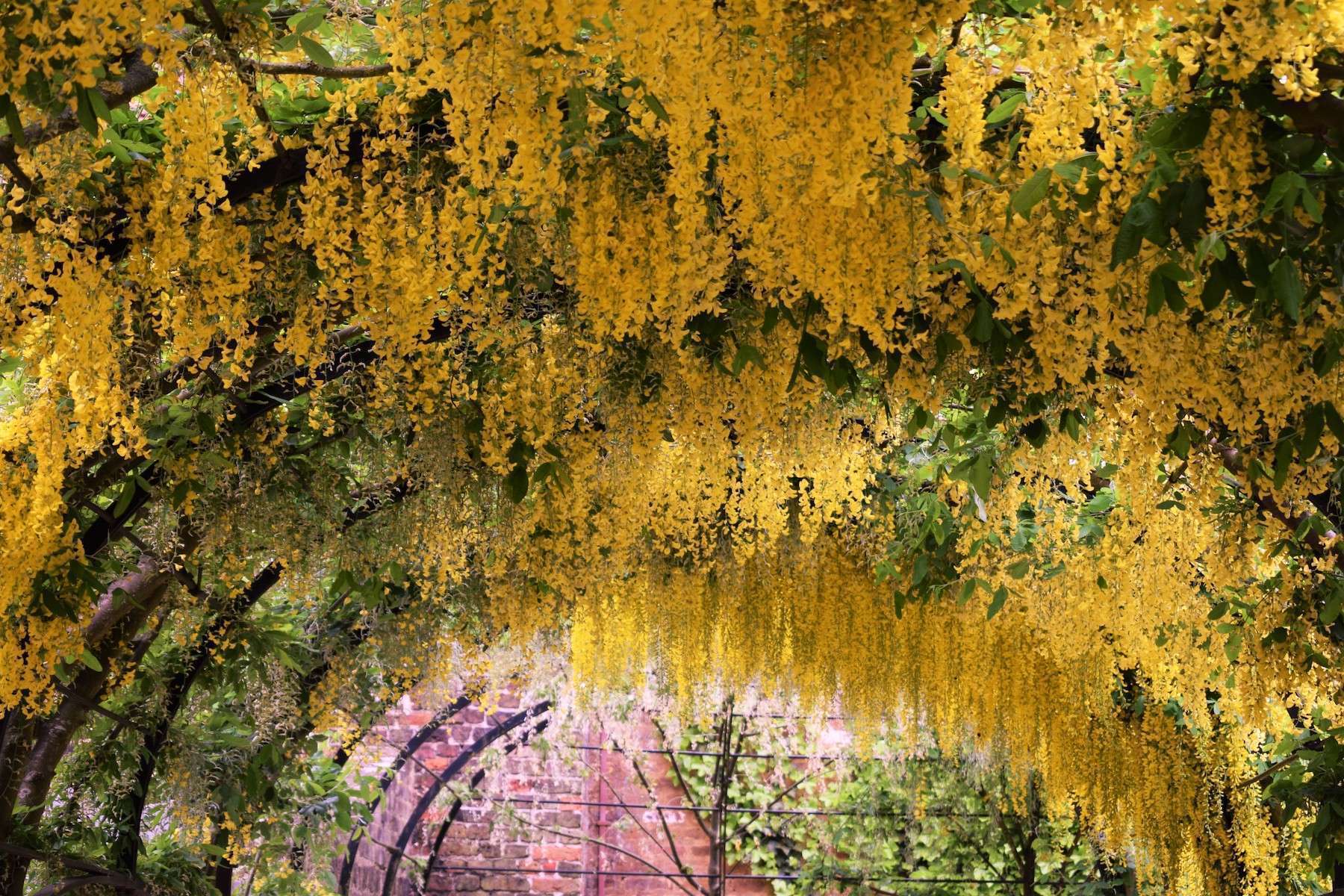
Peonies flower into June, while the Rose Garden is the ideal spot to enjoy a balmy summer evening. Wander amongst a selection of summer plants along Kew’s Great Broad Walk Borders, or beneath yellow arches of laburnum in the Queen’s Garden, originally home to Queen Charlotte and King George III. In recent years, pockets of the Gardens have been allowed to grow wild, creating mini meadows which are attractive to pollinators.
June: Wild Rose Garden flowers for first time
Flowering for the first time this summer, Kew’s new Wild Rose Garden planted in 2024 showcases one of the best collections of wild roses in the world, dating back to the 1800s. With over 70 types of wild rose on display, this garden tells the story of the evolution of the much-loved flower, which stem from just ten wild rose species.
Generally, more disease-resistant and hardy than cultivated varieties, wild roses play a crucial role in ecological conservation by providing food and habitat for pollinators and wildlife. By maintaining wild rose populations, horticulturists can support local ecosystems and promote biodiversity in natural landscapes.
The new garden includes rare, understudied species not found in UK collections such as R. terscolensis (IUCN: threatened), R. teberdensis (Predicted extinction risk: threatened), R. dolichocarpa (critically endangered) and R. khasautensis (threatened) alongside mature specimens of ornamental rose species collected in the past 70 years.
July: Carbon Garden opens
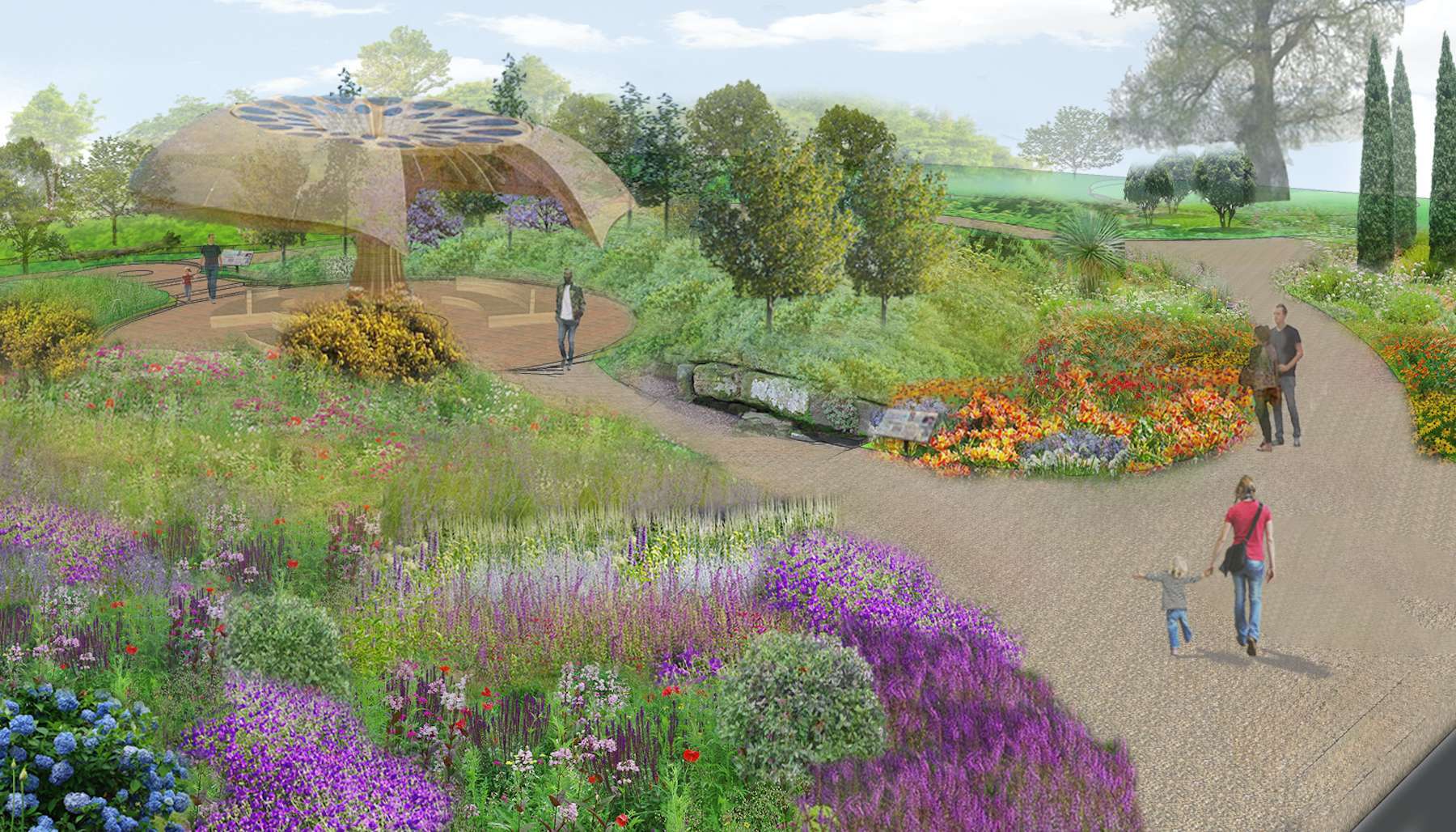
In Summer 2025, Kew Gardens will unveil its new Carbon Garden, a bespoke garden designed to highlight carbon’s essential role as a building block of all life on Earth. The new garden tells the story of the carbon cycle, adapting to a changing climate and how we can develop nature-based solutions. Visitors will also learn about Nature Unlocked, Kew’s research programme which develops nature-based solutions backed by science to protect the planet.
Through innovative planting, the garden covers four main themes: one introducing the carbon cycle; the second illustrating what London gardens could look like if climate change continues at its current rate; the third showcasing how we can use nature to repair our climate; and the fourth championing how we can still make a difference.
AUTUMN
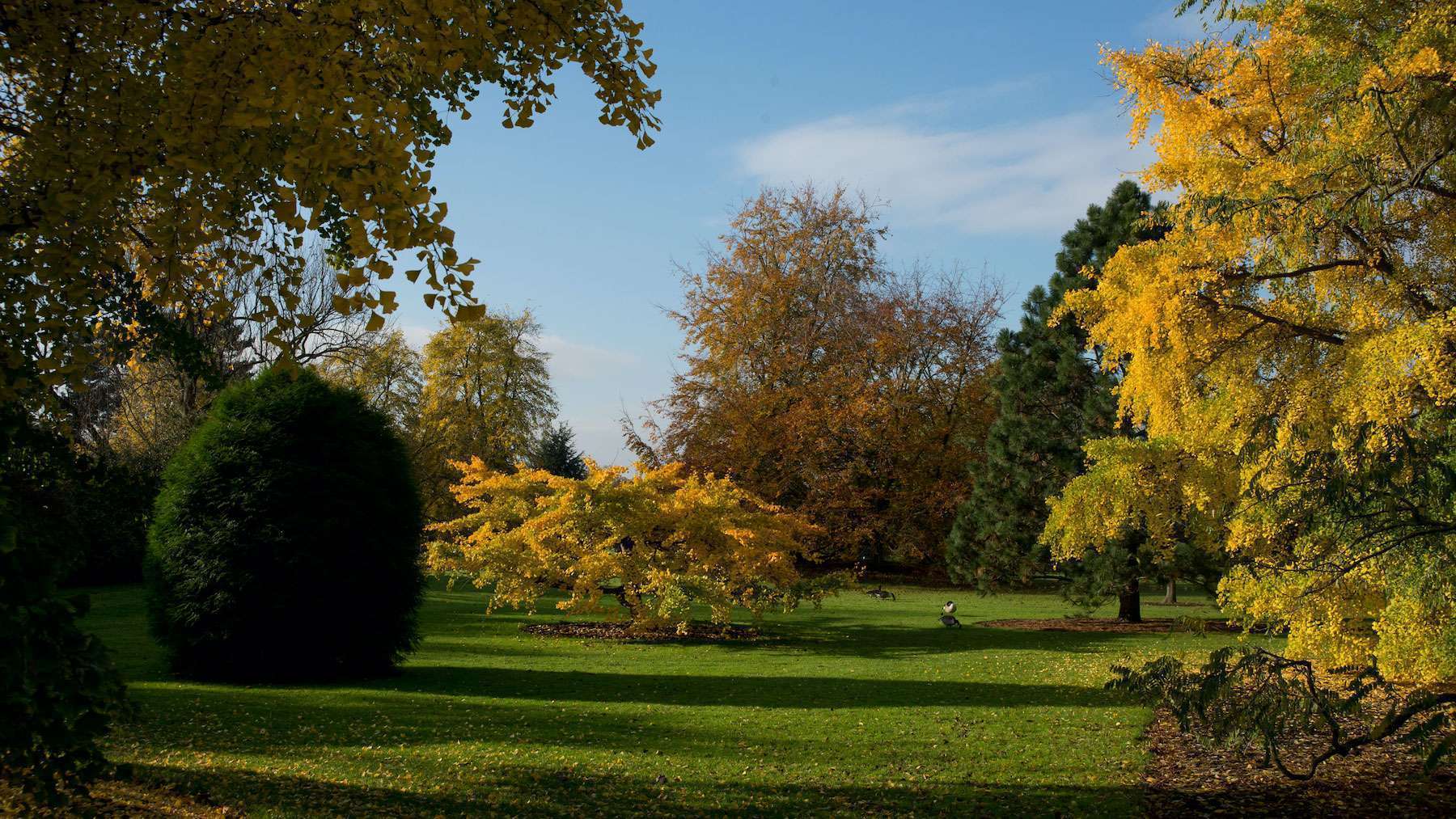
Showy displays of the Tulip Tree (Liriodendron tulipifera), Sweet gum (Liquidambar styraciflua) and Hickory (Carya species) are not to be missed come autumn. Deep reds and purples will frame Kew’s iconic Palm House pond, while Viburnum and rowan (Sorbus species) berries will provide bursts of colours around the Gardens. Particularly striking on a bright autumn day, the seed heads of the Grass Garden offer beautiful architectural interest whilst serving as an important source of shelter for insects and other small creatures.
September: Edible Science: Kew’s Kitchen Garden
Kew’s Kitchen Garden has a long history of supplying fresh food – from Georgian royals residing in Kew Palace, to visitors dining in the onsite restaurants. Today, the Kitchen Garden also forms a rich source for educating visitors about sustainable food and a space for experimenting with unusual crops. From 2025, the Edible Science team will be growing plants from the Heritage Seed Library – the national collection of heritage and heirloom vegetables run by Garden Organic. Beans will be a focus, exploring how they can be used to boost protein in everyday diets, and how they can increase the yields of farmers’ land by being planted between existing crops – a process known as intercropping.
2025 will also see the garden’s cut flower bed become a permanent feature after a popular premiere last year. Perennial plants will nestle alongside annuals to increase sustainability, bringing vibrant splashes of colour in a celebration of seasonality. Keen gardeners can get tips on how to prolong their growing season with the installation of a new greenhouse – a space that will not only boost a summer harvest but also prove useful even in the depths of winter.
Redwood Grove
Amongst a collection of living giants that transport you to western America, botanical horticulturist Sam Stapleton and supervisor Valerie Boujard are adding autumn colour. Every time a wild specimen is added to Kew’s collection, the database notes the conditions, geographical location and more, including details of the plants that were growing alongside them. By underplanting shrubs listed on this database, that bring vibrant, autumn colour, the team hope to create a colourful route from the Redwoods towards the lily pond, where the Gingko and the Pseudolarix promise bold seasonal hues.
WINTER
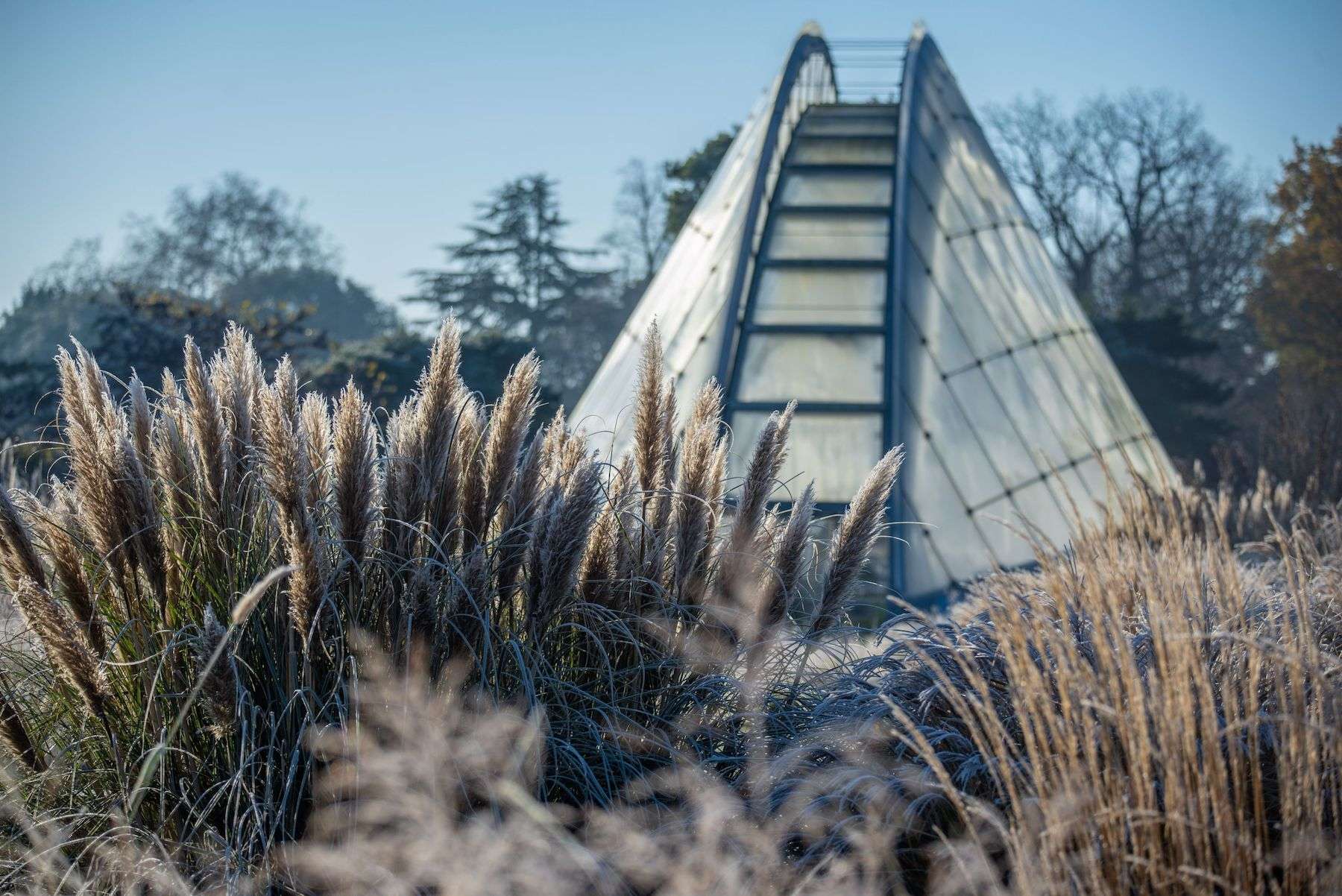
One of Kew’s more historic corners, Holly Walk, is home to over 30 species of the iconic festive plant – now recognised as one of Europe’s most comprehensive holly collections. Elsewhere, hellebores and winter aconites offer colourful splashes of winter interest.
November: Kew’s Winter Garden
Newly extended in 2024, Kew’s Winter Garden promises flourishes of colour during the depths of winter. From delicate snowdrops to the leathery leaves of mondo grass (Ophiopogon planiscapus ‘Nigrescens’), the sweet perfumes of Daphne to the bright silvery bark of Himalayan birch trees (Betula utilis subsp. Jacquemontii), this corner of Kew offers an extraordinary sensory experience to brighten the winter months.
The Winter Garden’s extension celebrates shady winter interest plants, with the vibrant Hamamelis (Witch Hazel) and dogwood (Cornus alba ‘Sibirica’) bringing fiery colours to the Gardens even on gloomy days. Its elevated position offers unique views across the comparatively flat gardens, including the magnificent Temperate House and Great Pagoda which can be seen in the distance.
For more information, and to book, please visit: kew.org/
Discover the very best in Arts, Culture, Travel, Leisure and Lifestyle news and reviews with The Arts Shelf. Enjoy reading our content? Love Movies, Theatre, Opera, Books, Travel, Video Games, Art and Exhibitions, Music, Ballet and Dance, Days Out, Events, Competitions and Collectibles? Make sure to follow us on Facebook, X, Instagram, YouTube, and Sign Up to the Mailing List to be kept up to date with all the latest news and reviews.

