

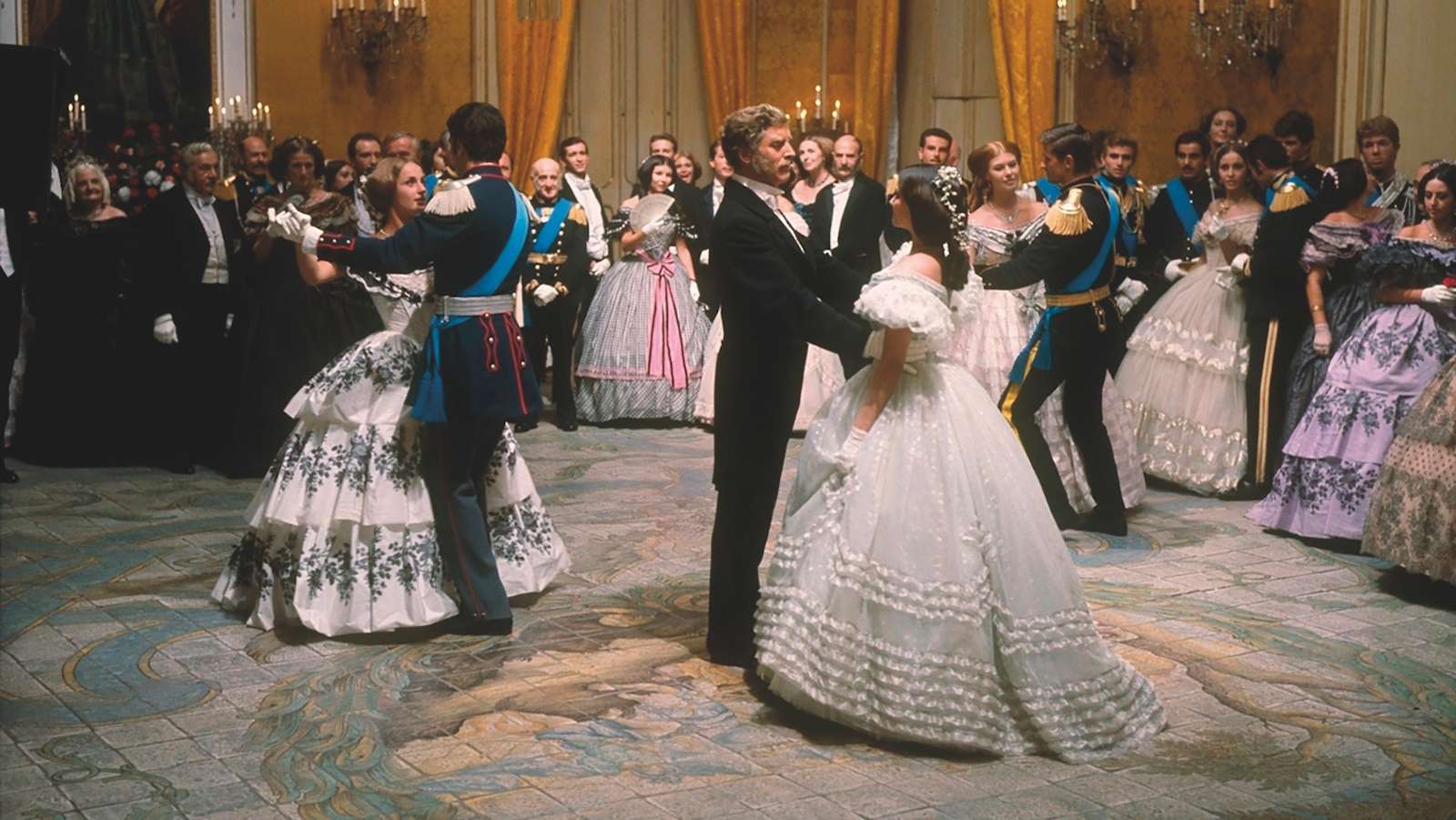
The BFI, in partnership with Cinecittà, has announced the full programme for LUCHINO VISCONTI: DECADENCE & DECAY, a new season celebrating the work of the influential Italian filmmaker, Luchino Visconti, which will run at BFI Southbank from 1 to 30 January 2025.
A pioneer of the Italian neorealism movement, as well as a maestro of luxurious historical drama, Luchino Visconti was an artist of great contradiction and a singular product of his time. Beyond the precision of his historical detail and costuming, Visconti was also a filmmaker of psychological acuity, capturing the perversity, despair and cruelty of individuals who strive to make or remake meaning in a changing world.
Titles screening throughout January will include OSSESSIONE (1943), LA TERRA TREMA (1948), THE LEOPARD (1963), THE DAMNED (1969), DEATH IN VENICE (1971), LUDWIG (1973) and THE INNOCENT (1976), with several 4K restorations and 35mm prints playing courtesy of season partner Cinecittà.
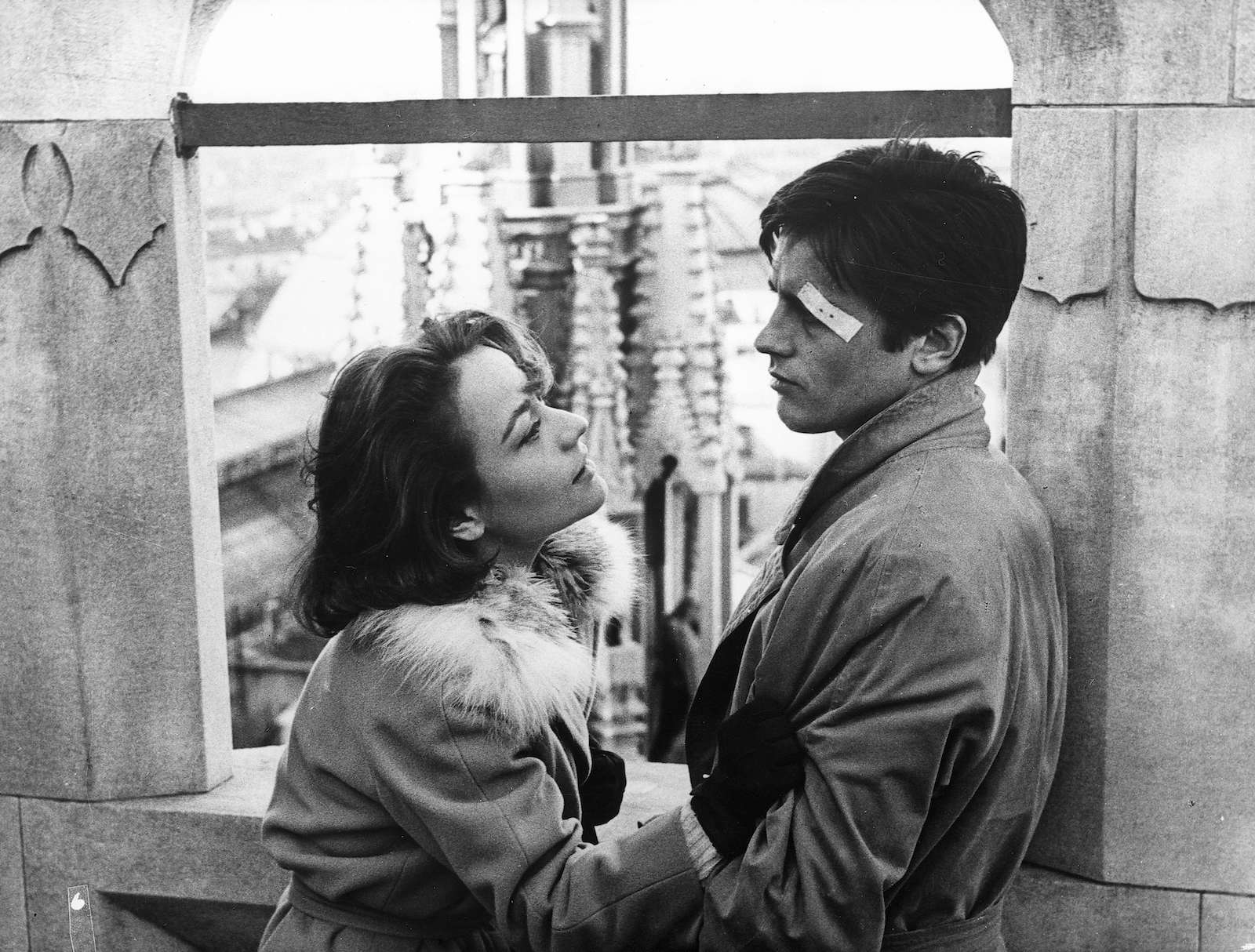
A centrepiece of the Luchino Visconti BFI season will be the BFI Distribution re-release of Visconti’s operatic and poignant story of brotherhood, ROCCO AND HIS BROTHERS (1960), in select cinemas nationwide from 3 January.
This hypnotically beautiful tale of relocation, loss and sacrifice charts the fortunes of a family who move from a farm in the rural south to find work in modern Milan. Of the five brothers accompanying their mother, Alain Delon’s Rocco is tasked with trying to manage the hedonistic appetites of Renato Salvatori’s Simone. They both fall into the shadowy world of boxing, but when they also fall in love with the same woman their loyalties are tested.
A screening at BFI Southbank on 6 January will be introduced by film critic and season curator Christina Newland, with the film also available to stream on BFI Player from 3 January.
Christina Newland commented:
“The inherent contradictions of Luchino Visconti’s cinema have always fascinated me. From my first viewings of ROCCO AND HIS BROTHERS and THE LEOPARD onward, I remain dazzled by his painterly tableaus, his eye for the vagaries of the human heart, and his sense of operatic melodrama. Today, in times no less politically troubled and morally skewed than his own, to look upon the works of Visconti – a visionary artist in the truest sense, formed by his unique times and unlikely to be replicated again – is important. It is to celebrate the belief that piercing philosophical and political insight can walk hand-in-hand with maximalist beauty.”
The Luchino Visconti BFI Southbank season will launch with VISCONTI AND HIS CINEMA: DECADENCE AND DECAY on 9 January, when Newland will be joined by a panel of guests to take an illustrated journey through the life and films of Visconti – from lesser-known gems to canonical classics. Particular attention will be paid to his unique relationship to fashion and costume design, queer desire and sexuality, and the broad canvas of 20th century Italian history.
Meanwhile, 25 & UNDER: INTRODUCTION TO LUCHINO VISCONTI, a fun and accessible crash course presented by Newland on 11 January, will look at the life, work and influence of Visconti.
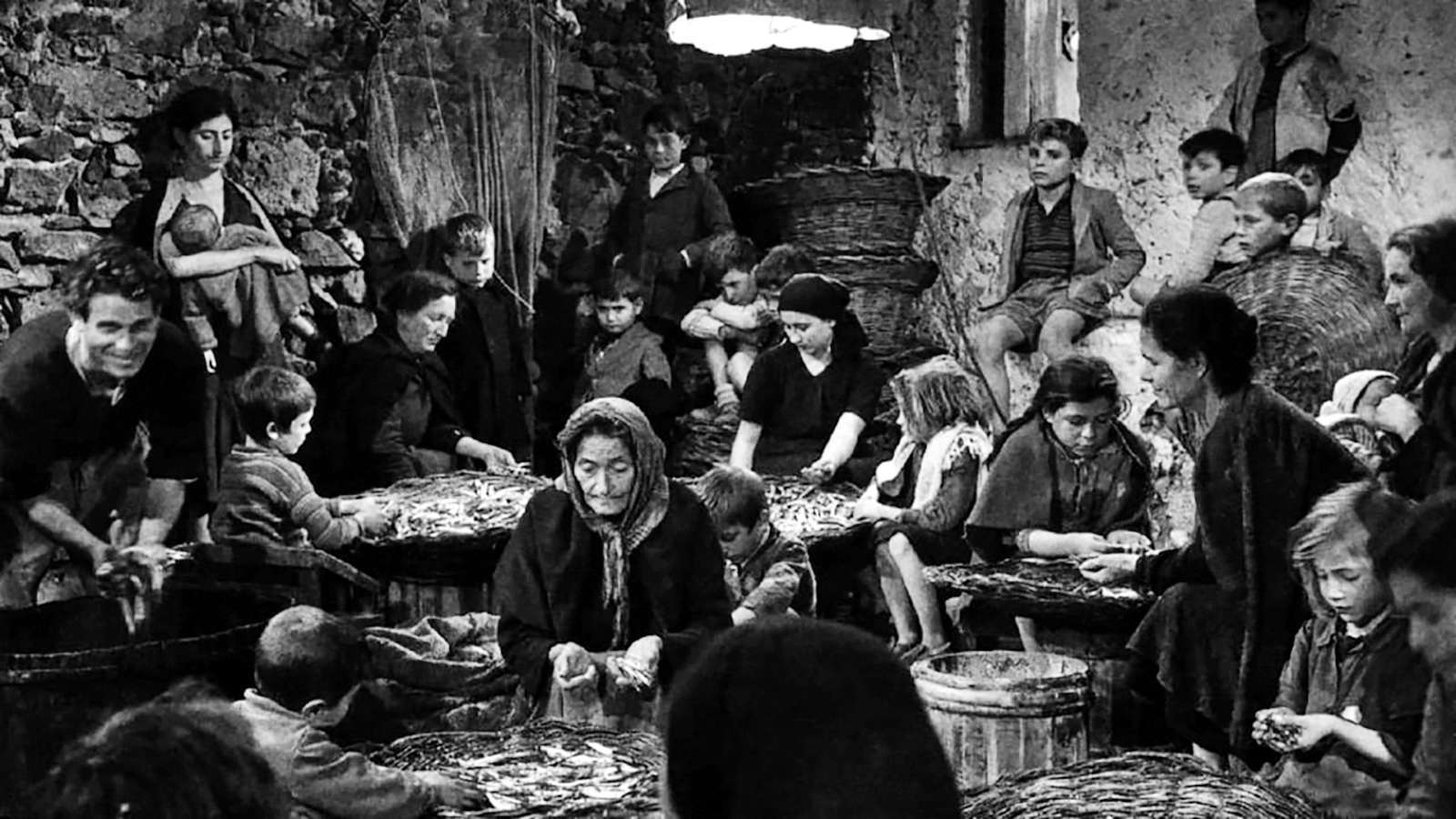
The film programme begins with Visconti’s feature directorial debut, OSSESSIONE (1943), a sultry and salt-of-the-earth adaptation of James M. Cain’s novel The Postman Always Rings Twice. This classic tale of adultery and murder flouted the conventions of Mussolini’s Italy with its defiant depiction of sexuality and sin.
LA TERRA TREMA (1948) is easily the most ‘neorealist’ of Visconti’s films and one of his most heartbreaking. An epic story, it follows the lives of ‘Ntoni and his family, a group of exploited fishermen who form a collective to fight against greedy wholesalers, only to find themselves at risk of destitution.
In BELLISIMA (1951), Anna Magnani gives a stunning performance as an ambitious stage mother who will stop at nothing to get her young daughter to the top. This darkly funny cautionary tale of working class showbiz dreams and exploitation is an outlier of Visconti’s career and an underappreciated gem.
His first colour film SENSO (1954), a breathtakingly beautiful melodrama, unfolds against the stormy canvas of Italy’s Risorgimento. Alida Valli is lovestruck Italian Countess so driven by infatuation that she is willing to betray her family and homeland. It’s a masterclass in the portrayal of tragic obsession. A screening on 15 January will be introduced by season curator Christina Newland.
The UK premiere of a 4K restoration, WHITE NIGHTS (1957), provided by Cinecittà alongside eight other titles in the programme, is an adaptation of Dostoyevsky’s short story about two strangers who meet by chance. Visconti relocates the action from St. Petersburg to contemporary Livorno and over the course of four nights, Marcello Mastroianni’s achingly lonely soul shares stories of life and lost love with a jilted young woman.
Widely regarded as his masterpiece, THE LEOPARD (1963) borrows from Visconti’s own aristocratic past for an epochal tale of a 19th century Sicilian prince who clings to his sumptuous but fading way of life, despite the scheming of his young nephew. Painstakingly rendered and culminating in a painterly ballroom sequence, THE LEOPARD resembles a window on to a bygone age. A screening on 10 January will be introduced by Adrian Wootton, Chief Executive, Film London and British Film Commission.
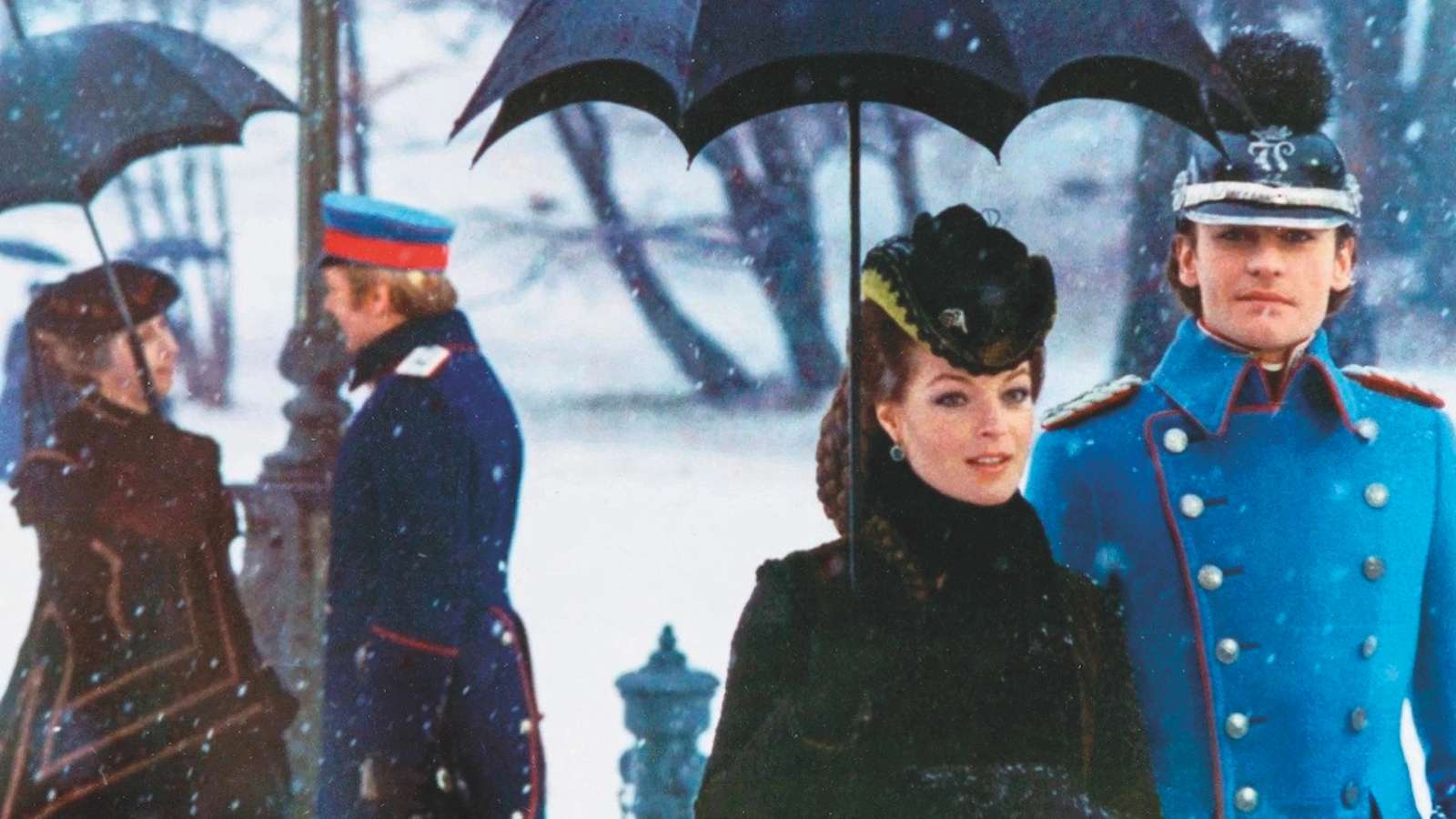
THE DAMNED (1969) is Visconti’s most disturbing film, linking sexual deviancy and fascism with taboo-busting courage. Always fascinated by the passions and horrors of dynastic family life, the filmmaker turns to the perverse world of German industrialists during the Third Reich to chart the downfall of one family and their immoral prodigal son.
Meanwhile, a classic depiction of queer desire and mortality, DEATH IN VENICE (1971) captures the aesthetic pleasures and exquisite longing of an ageing intellectual after an encounter on the beach. Featuring an unforgettably bleak performance from Dirk Bogarde and set against the dilapidation of Venetian wealth, this is one of Visconti’s finest dramas.
Playing at the sweeping, epic length Visconti initially intended, the stately biopic LUDWIG (1973) focuses on the life of an eccentric and closeted royal, Ludwig II, who eschewed political power in exchange for his love of art and architecture. Known for constructing countless fairytale castles, the king finds his idealism wrecked as he edges towards insanity.
CONVERSATION PIECE (1974) is a lesser-celebrated rumination on the emptiness and melancholy at the heart of human nature. Burt Lancaster is a dignified American professor living a solitary life in a Roman palazzo who reluctantly takes in tenants, only to realise that they are a quartet of depraved upper-class hedonists with ties to fascist causes. A screening on 22 January will be introduced by film critic Phuong Le.
Finally, a rarely-screened work of Gothic splendour, THE INNOCENT (1976) is an indictment of privileged masculinity, featuring a loathsome protagonist in the form of Giancarlo Giannini’s Tullio. He viciously takes advantage of his wife and mistress, abusing their trust for his nihilistic whims. Visconti’s last film is knowingly weighed down by its opulence, resulting in a claustrophobic yet compelling portrait of the moral rot of an aristocratic man.
Discover the very best in Arts, Culture, Travel, Leisure and Lifestyle news and reviews with The Arts Shelf. Enjoy reading our content? Love Movies, Theatre, Opera, Books, Travel, Video Games, Art and Exhibitions, Music, Ballet and Dance, Days Out, Events, Competitions and Collectibles? Make sure to follow us on Facebook, X, Instagram, YouTube, and Sign Up to the Mailing List to be kept up to date with all the latest news and reviews.

